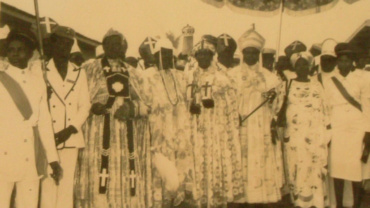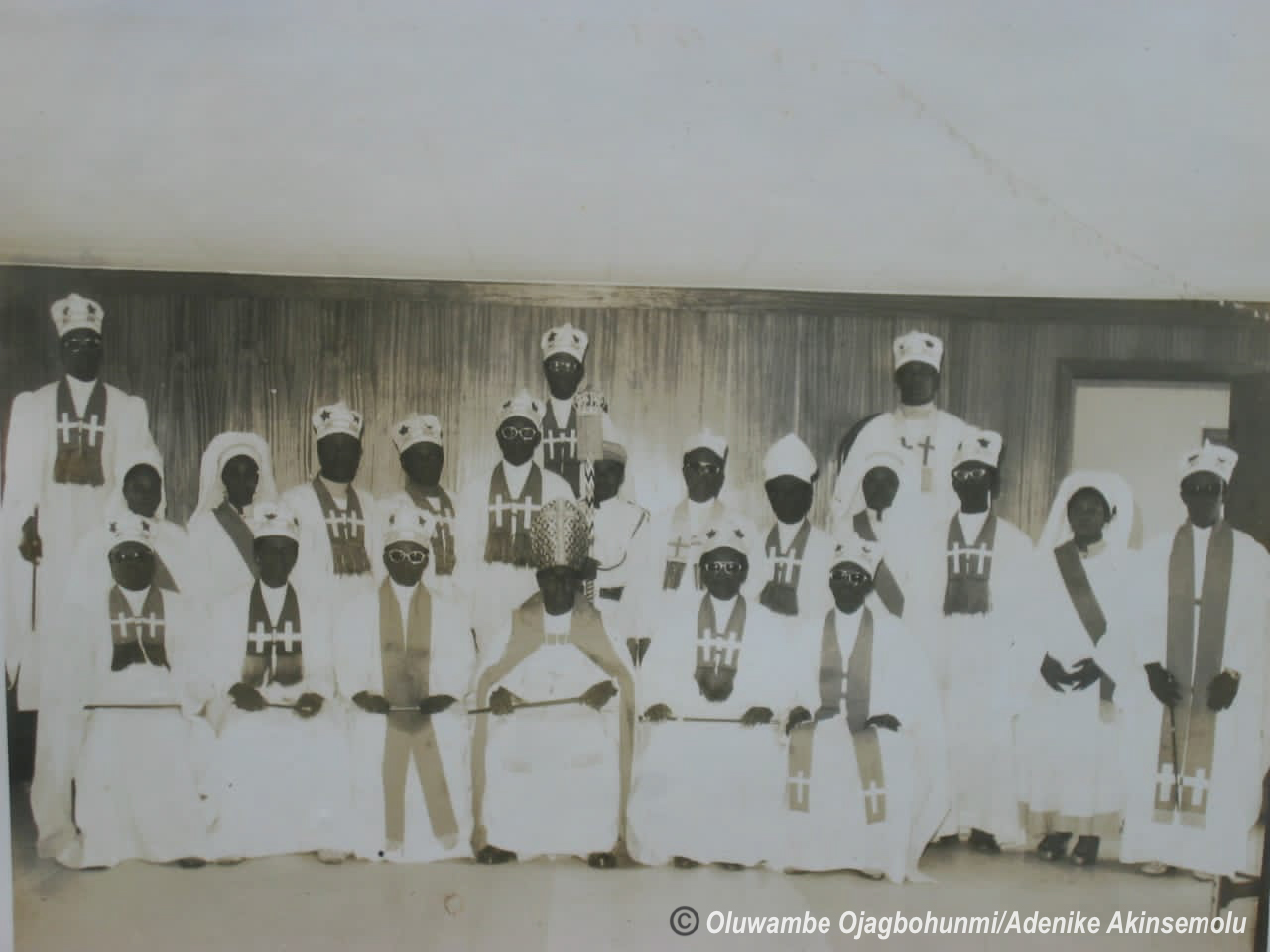
At the heart of Ayetoro’s governance stood not a single ruler or chief, but the collective wisdom of its Council of Elders. This body, composed of respected men and women chosen for their integrity and devotion, guided the community through both ordinary affairs and extraordinary challenges. In a settlement founded on principles of equality, honesty, and faith, the council became a living embodiment of those ideals, shaping Ayetoro into the “Happy City” admired across Nigeria and beyond.
The deliberations of the elders were often held in the community hall, a modest wooden structure that served as both civic chamber and spiritual meeting place. At other times, they gathered in open courtyards or beneath shaded pavilions, their white garments gleaming as they sat in a circle — a symbol of unity and shared authority. Archival photographs capture the quiet dignity of these assemblies: elders leaning forward in thought, heads bowed in prayer before discussion began, and the staff of authority placed at the centre as a reminder that decisions were made under divine guidance.
Oral testimonies describe the process of deliberation as patient and inclusive. Every voice carried weight, whether elder or youth representative, and matters were resolved through dialogue rather than imposition. Disputes between families, questions of land and fishing rights, and plans for communal projects were all brought before the council. Elders listened carefully, often allowing long silences before reaching consensus. As one former participant recalled: “In Ayetoro, words were not hurried. We believed that truth revealed itself when all had spoken and all had prayed.”
One of the most significant achievements of the council was the decision to pursue self-reliant innovations such as the Power House of 1959 and the cooperative tailoring workshop of the 1960s. These initiatives did not arise from individual ambition but from collective deliberation. The council weighed options, considered the needs of the community, and determined how resources should be shared. In this way, governance in Ayetoro was deeply democratic, rooted not in competition but in cooperation.
The council also served as a moral compass. Leaders were expected to model honesty, humility, and service. If any elder was accused of wrongdoing, the matter was addressed openly, and accountability was non-negotiable. This commitment to integrity distinguished Ayetoro from many other towns and reinforced its reputation as a community governed by principle rather than power.
Visitors who observed these deliberations in the 1950s and 1960s often expressed astonishment. In an era when colonial and postcolonial Nigeria was dominated by hierarchical structures, Ayetoro offered an alternative model of leadership — one that was participatory, spiritual, and firmly anchored in communal values.
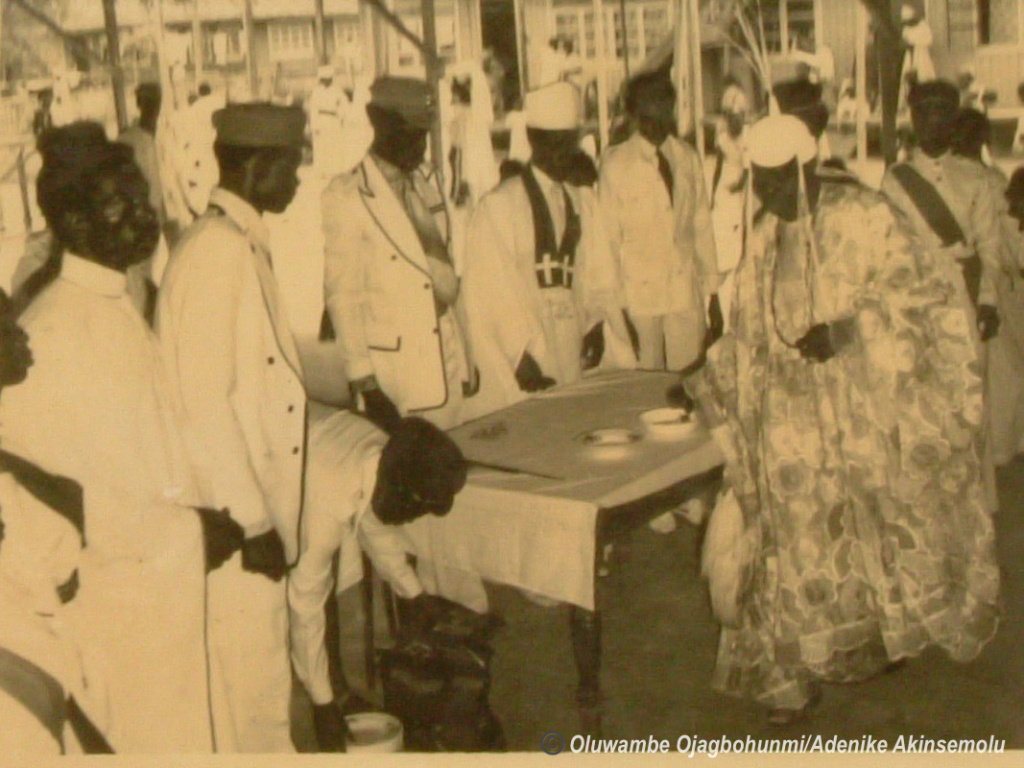
Though the council no longer functions as it once did, its legacy endures in the memory of elders and in the archival images that preserve its spirit. The sight of men and women in white, seated in calm deliberation, remains a powerful symbol of what Ayetoro represented: a society where decisions were made not for the few but for all.
As one elder put it: “When we sat in council, it was not for ourselves. It was for Ayetoro, for the covenant we all shared.”